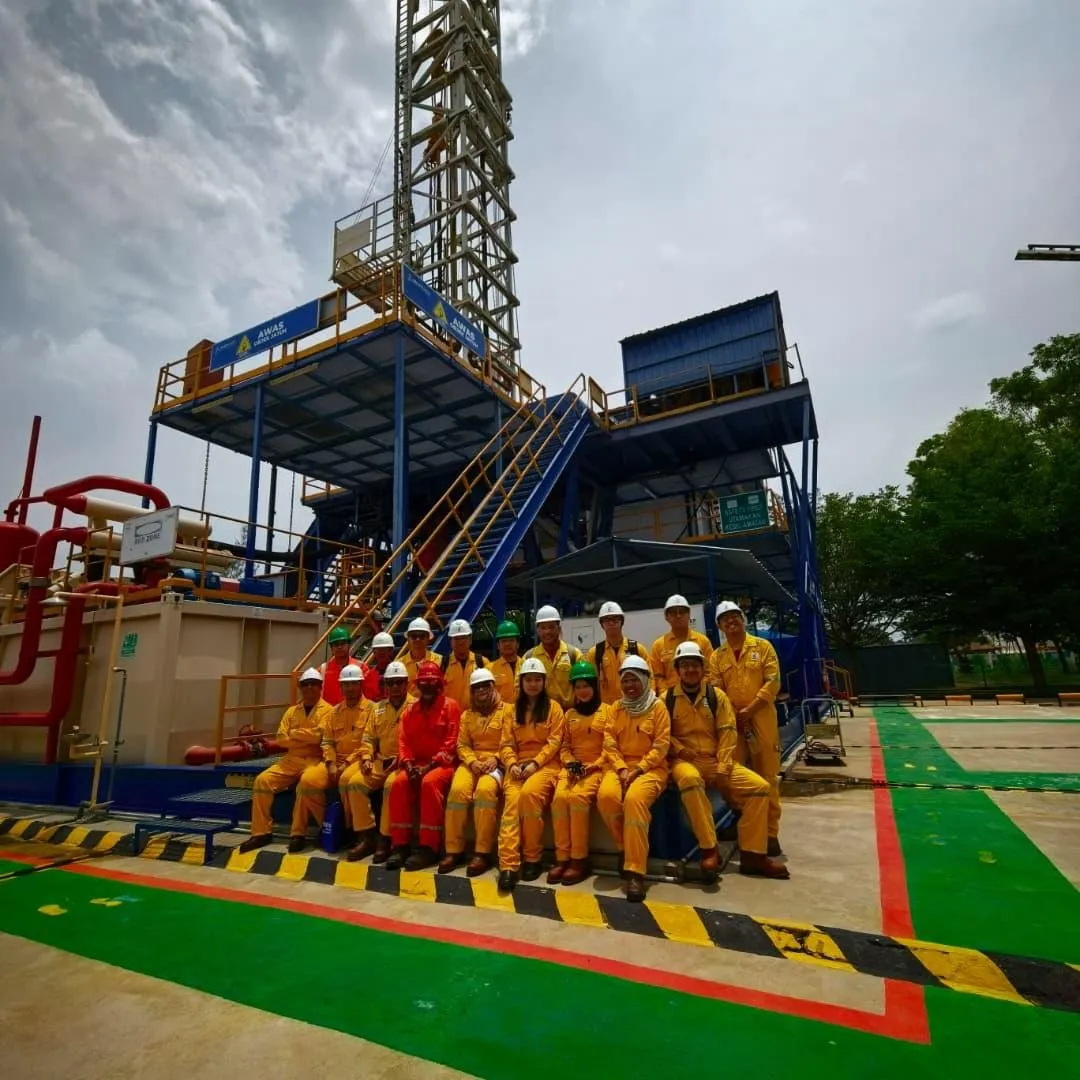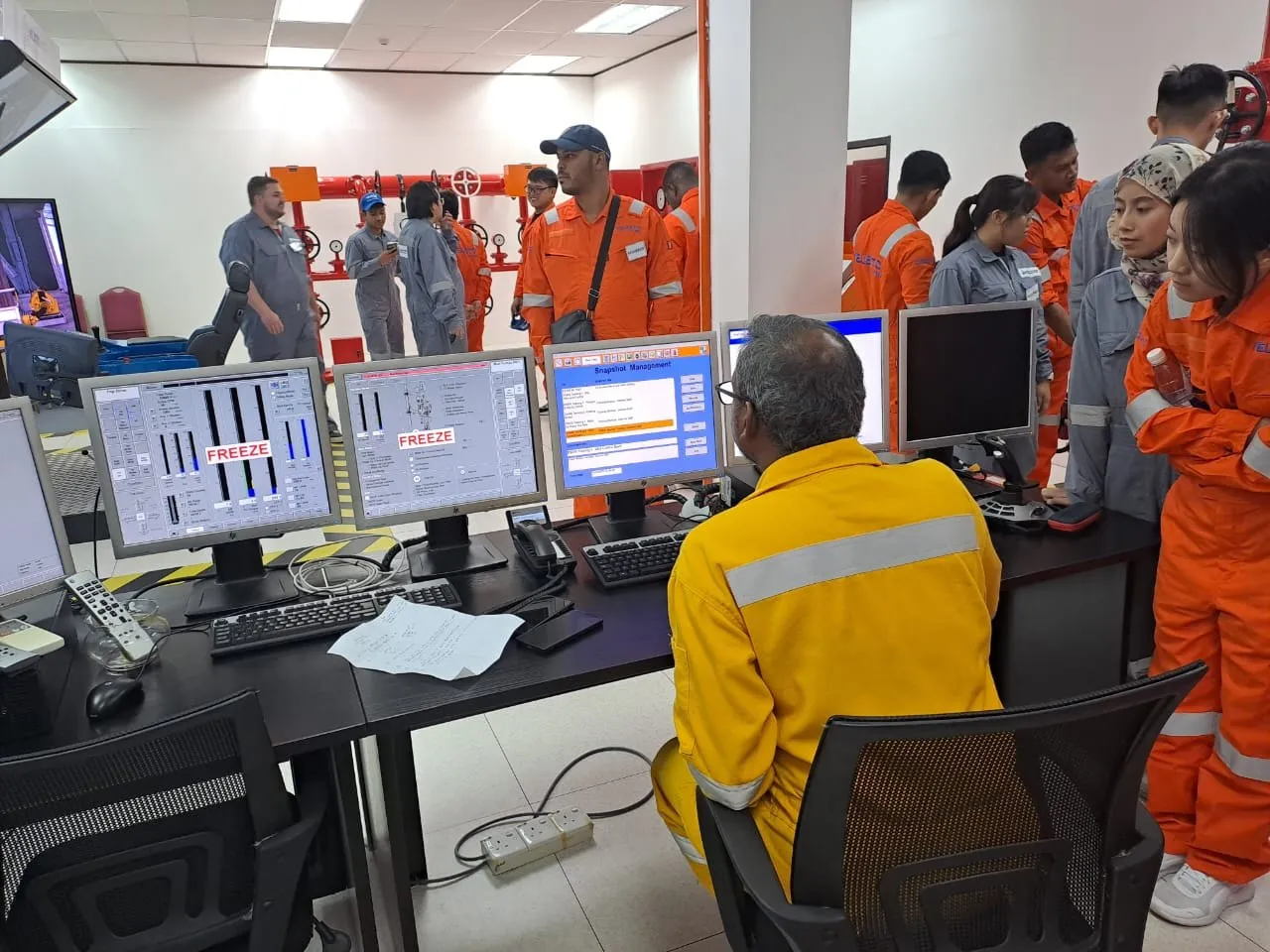
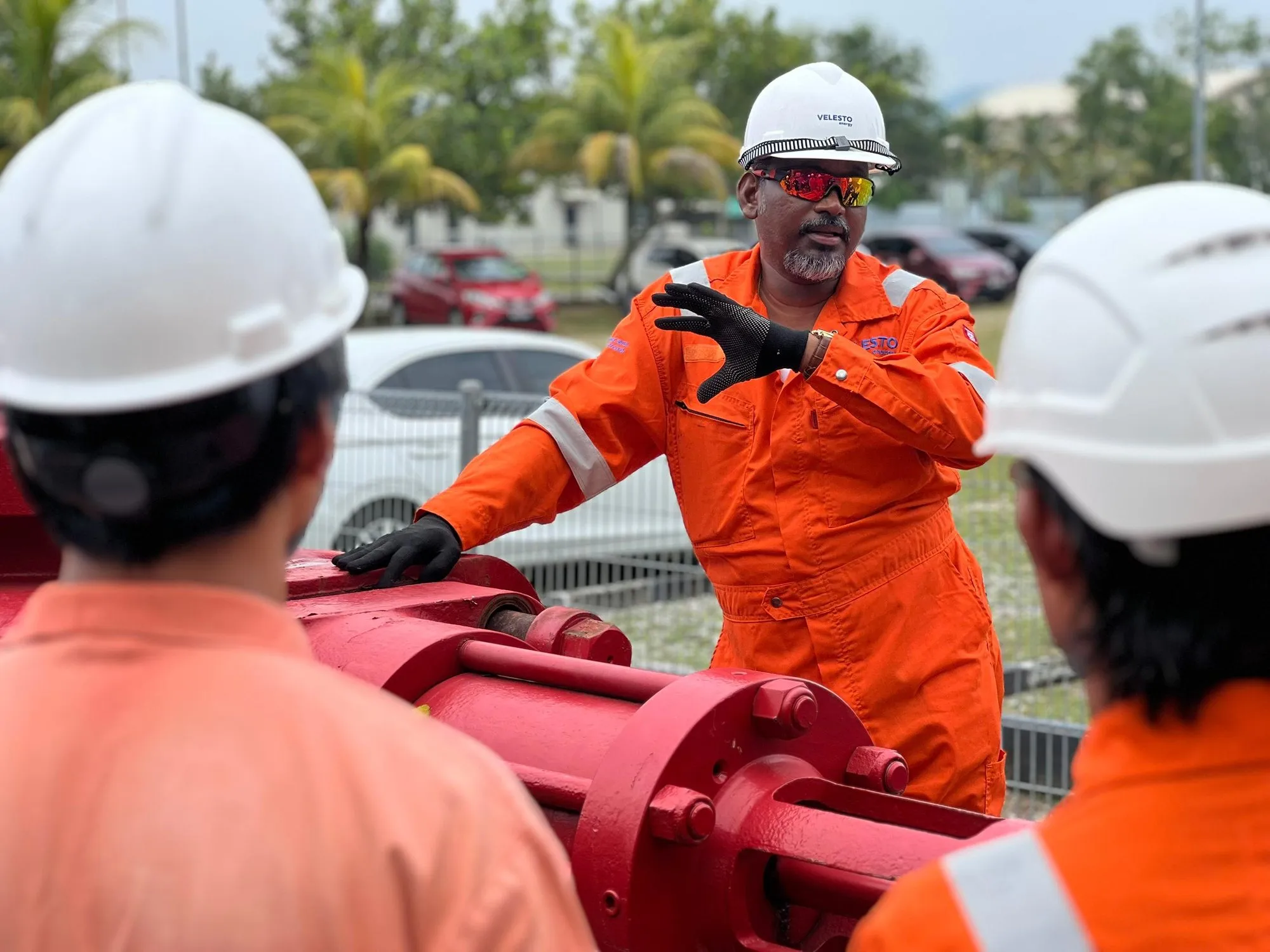


The oil and gas industry has spent decades building a strong culture around physical safety. Permit-to-work systems, toolbox talks and stop-work authority are part of everyday life on a rig. Mental wellbeing, however, has not always received the same attention — even though it affects the same people, on the same shifts, in the same high-pressure environment.
Why the industry is different
Offshore and remote work places unique demands on people:
- Extended time away from family and limited contact with home.
- Irregular shifts and rotating schedules that disrupt sleep and routine.
- High-pressure operations where mistakes carry serious consequences.
- Isolation in remote locations with limited access to support.
None of these make mental health problems inevitable. But they do mean wellbeing deserves deliberate attention, not assumptions.
The barriers: stigma and silence
In many workplaces, people still hesitate to speak up about stress, anxiety or low mood. They worry about being seen as weak, about their next contract, or simply do not know who to talk to. Supervisors, meanwhile, may notice that something is wrong but feel unsure how to start the conversation.
Reducing stigma and improving communication are therefore as important as any policy.
What supportive workplaces do
Build awareness
People can only respond to what they recognise. Basic awareness of common mental health conditions and the signs of emotional distress helps colleagues notice when someone is struggling.
Create psychological safety
Teams where people feel safe to raise concerns — about safety or wellbeing — are healthier and more resilient. Empathy and supportive communication are skills that can be learned.
Equip supervisors
Supervisors are often the first to notice changes in behaviour or performance. Giving them the confidence to start a supportive conversation and point people towards help makes a real difference.
Treat wellbeing as strategy
A holistic wellbeing strategy — with clear commitments, practical resources and attention to legal and ethical responsibilities — moves mental health from a one-off talk to part of how the organisation operates.
Mental health deserves greater attention alongside physical safety.
A practical workshop for the industry
Our Mental Health Workshop for the Oil & Gas Industry equips participants to recognise emotional distress, reduce stigma, communicate supportively and put wellbeing into practice. Core topics include mental health awareness, the neuroscience of wellbeing and stress, the business case for wellbeing, legal and ethical considerations in Malaysia, psychological safety, and action planning.
The programme is delivered by healthcare and occupational health professionals and is HRD Corp claimable.
This article is for general information and awareness. If you or someone you work with is struggling, please reach out to a qualified healthcare professional.