

Stuck pipe is one of the most expensive sources of non-productive time in drilling. Yet very few stuck pipe events happen without warning. In most cases the hole has been “talking” for hours — sometimes days — before the string finally stops moving.
The difference between a routine connection and a fishing job is often whether someone on the rig floor noticed the signs early, understood what they meant and acted on them. Here are seven warning signs every driller, assistant driller and supervisor should keep an eye on.
1. Rising torque and drag
A gradual increase in rotating torque, or overpull and slack-off weights drifting away from the expected trend, is one of the clearest signals that the wellbore is changing. Erratic torque — spikes rather than a smooth curve — deserves even more attention.
Watch for: overpull on connections that keeps growing, torque trends that do not match the planned drilling parameters.
2. Standpipe pressure changes
An unexplained rise in standpipe pressure can mean cuttings are building up and the annulus is beginning to pack off. A sudden pressure spike with loss of returns is a classic sign of a pack-off developing around the BHA.
3. Fill on bottom after connections or trips
If the bit takes weight before reaching the previous depth, cuttings or cavings are settling in the hole. Fill tells you hole cleaning is not keeping up — or that the wellbore is becoming unstable.
4. Changes in cuttings and cavings
The shakers are an early-warning system. Pay attention to:
- Volume — fewer cuttings than expected for the rate of penetration can mean they are staying downhole.
- Shape — large, splintery or blocky cavings point to wellbore instability rather than drilled cuttings.
5. Tight hole on trips
Overpull at the same depths trip after trip, or the need to work or ream through a section, often indicates ledges, key seats, swelling formations or a thick filter cake.
6. Mud property changes
Increasing solids content, rising mud weight from cuttings loading, or a thick filter cake across permeable zones all increase sticking risk — especially differential sticking.
7. Pipe left stationary across permeable zones
Not every warning sign shows up on a gauge. Leaving the string stationary across a permeable, overbalanced zone — during a survey, a repair or a long connection — is one of the most common setups for differential sticking. Keeping the pipe moving whenever possible is a simple but powerful habit.
What good crews do differently
Recognising the signs is only half the job. Effective crews:
- Communicate early. A trend noticed by the driller should reach the toolpusher and company man before it becomes an event.
- Follow agreed first actions. Everyone knows what to do in the first minutes after the string becomes stuck — because those minutes decide the outcome.
- Learn from every well. Near-misses are reviewed and shared, not forgotten.
Stuck pipe prevention is less about a single procedure and more about a culture of paying attention.
Learn it from people who have lived it
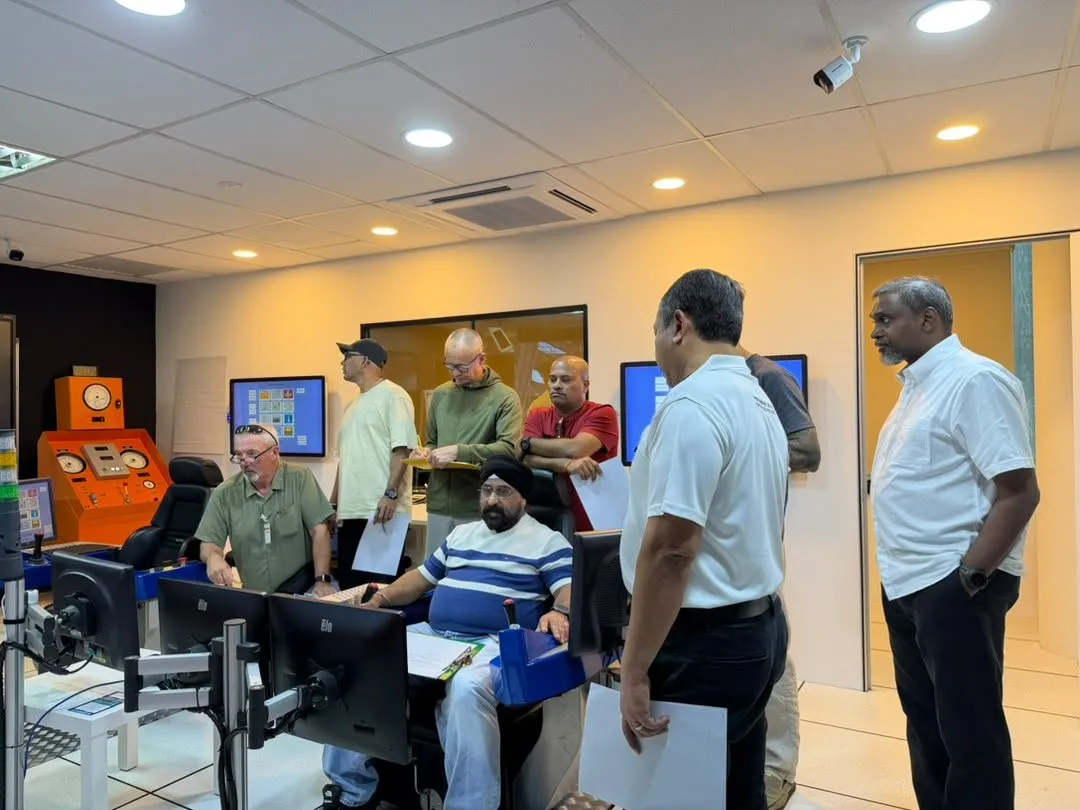
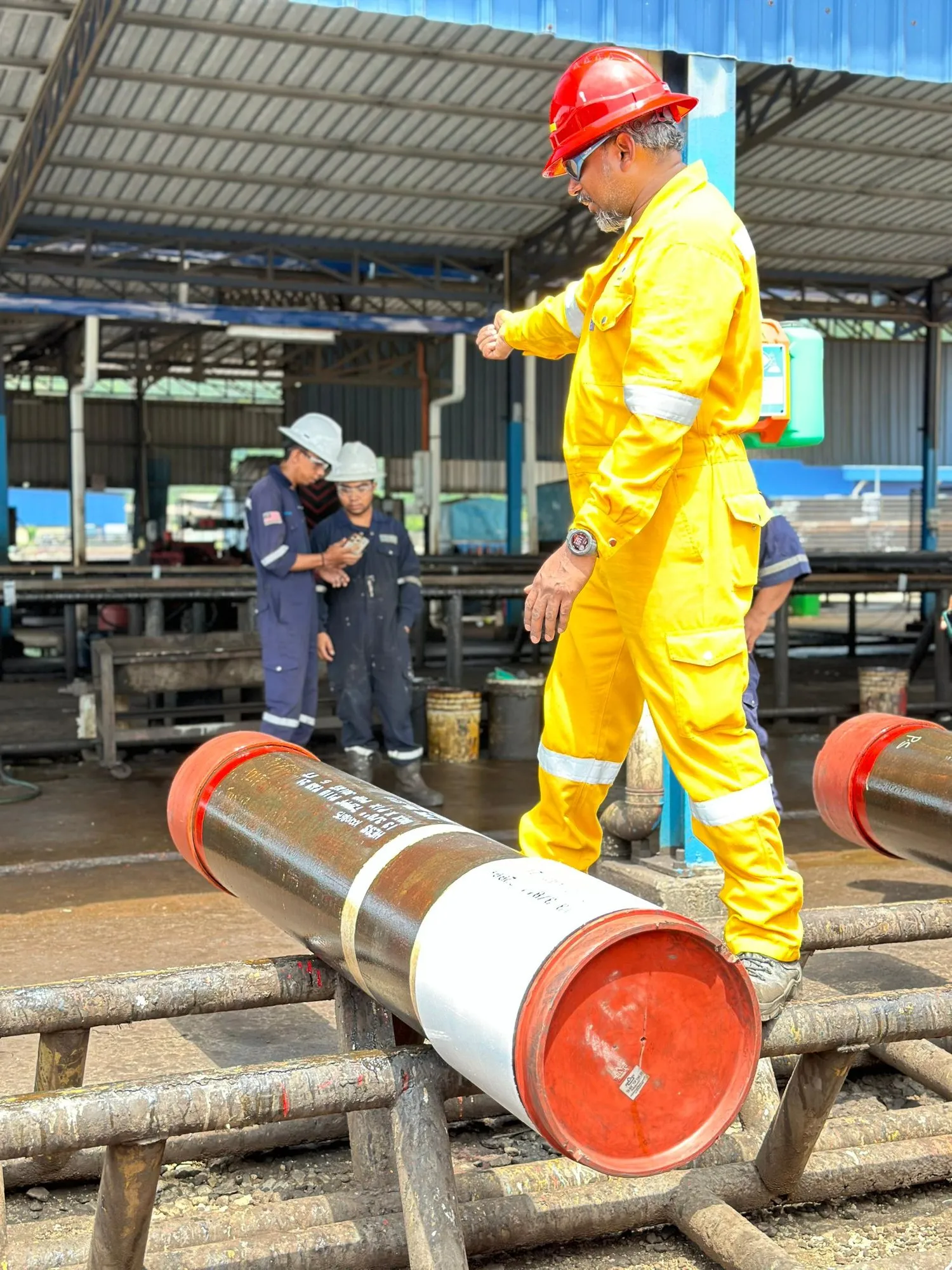
Our Basic & Advanced Stuck Pipe Prevention & Fishing Operations programme is built around field-based case studies from senior drillers and toolpushers — covering sticking mechanisms, warning signs, freeing procedures, jarring and fishing operations.
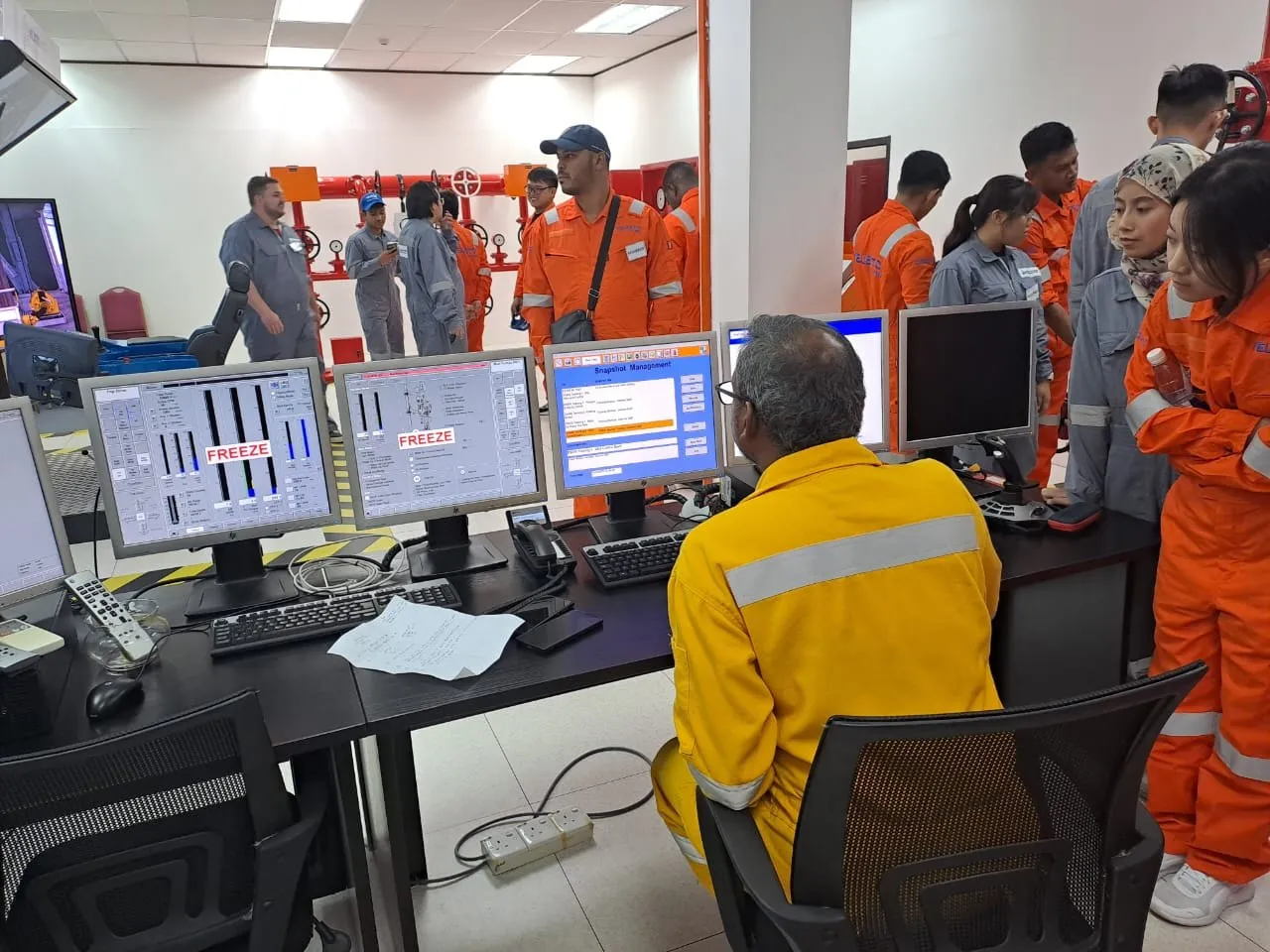
See how these lessons are applied in practice: Stuck Pipe Prevention Workshops — Real Incidents and Simulator Practice.